Bow Road to Mile End removals guide for E3 moves
Posted on 03/07/2026

Bow Road to Mile End Removals Guide for E3 Moves
Moving between Bow Road and Mile End can look simple on a map, but anyone who has done an E3 move knows the reality is a bit more involved. Tight side streets, parking pressure, lift access, awkward furniture, and the general squeeze of London timing can all turn a short move into a long day if you are not prepared. This Bow Road to Mile End removals guide for E3 moves is here to make the process calmer, clearer, and far less stressful.
Whether you are shifting from a flat near Bow Road station, moving closer to Mile End Park, or just trying to cross a few busy roads without losing half your Saturday, the details matter. The good news? With the right planning, sensible packing, and a removal plan that fits local conditions, the move is very manageable. Let's go through it properly.
- Why this move matters
- How the move works
- Key benefits and practical advantages
- Who this is for and when it makes sense
- Step-by-step guidance
- Expert tips for better results
- Common mistakes to avoid
- Tools, resources and recommendations
- Law, compliance, standards and best practice
- Options, methods and comparison table
- Case study or real-world example
- Practical checklist
- Conclusion
- Frequently asked questions
Why Bow Road to Mile End removals guide for E3 moves Matters
A short move in East London still asks for proper organisation. In E3, the route between Bow Road and Mile End may only take a modest drive in ordinary traffic, but the actual removals process is shaped by parking, loading restrictions, stairwells, and building access more than distance. That is why a dedicated local guide matters. It helps you think like the move team does, which is usually the difference between a smooth morning and a slightly chaotic one.
These neighbourhoods also have a mix of property types. You will find mansion blocks, converted flats, student lets, newer developments, terraced houses, and shared accommodation. A removal plan that works for a ground-floor flat will not suit a fourth-floor walk-up with no lift. Obvious, maybe. Yet people still get caught out by it every week.
If you are new to the area, it helps to understand the local housing picture first. The wider context around living in Bow is explored well in locals' advice on choosing Bow as a place to live, while practical housing context is also touched on in property listings in Bow and wise real estate buying strategies in Bow. That background helps because moving is rarely just about boxes. It is about the type of place you are leaving and the type of place you are going to.
Expert summary: For Bow Road to Mile End moves, the big wins come from early access checks, realistic packing, parking awareness, and choosing the right vehicle size. Get those four things right and the rest tends to fall into place.
How Bow Road to Mile End removals guide for E3 moves Works
At a basic level, the move works like any local removal: you prepare the property, load the items safely, transport them a short distance, and unload in the new home. In practice, the process is shaped by timing and logistics. A local job across E3 usually benefits from a smaller, faster setup than a long-distance relocation, but that does not mean it should be rushed.
A sensible local removal usually follows this rhythm:
- Survey the access at both addresses. Check stairs, lifts, shared corridors, doorway widths, and where the vehicle can stop.
- Choose the right removal method. A full removals team, a man and van service, or a larger van with extra labour each suits different scenarios.
- Pack in a way that matches the property layout. If the new place has narrow halls, use smaller, sturdy boxes rather than overfilling big ones.
- Load by priority. Essentials, fragile items, and awkward furniture should be handled with a clear order, not as a last-minute pile.
- Deliver and place items room by room. That small bit of structure makes the unpacking stage much easier.
If you need a broader overview of available moving support, the services overview is a useful place to understand the types of help commonly offered. For smaller or tighter jobs, a man and a van in Bow can be a practical fit, while a larger household may need more complete removal services in Bow. Different moves, different tools. Simple enough.
One thing people often forget: local moves can still be time-sensitive. Lift bookings, permit windows, school runs, and traffic around the A11 corridor can all eat into your schedule. If you have ever tried to carry a sofa past a cluster of parked cars while someone nearby is looking for their keys, you know the vibe. Not exactly a calm Sunday stroll.
Key Benefits and Practical Advantages
A well-planned Bow Road to Mile End move has some very real advantages. The biggest is control. Because the journey is short, you can usually manage the process in a more flexible way than with a cross-country relocation. That matters more than people think.
- Lower transport stress: Fewer miles means less risk of delay, but only if loading is organised.
- More responsive scheduling: Short local moves can sometimes be fitted into tighter time windows.
- Better item handling: Less travel time often means reduced exposure for delicate furniture, artwork, or electronics.
- Easy staged moving: You can shift essentials first and follow with larger items if the situation allows.
- Useful for busy households: Families, students, and professionals can align the move with work, study, or building access slots.
There is also a mental benefit. A local move feels less overwhelming when you break it into smaller parts. You are not trying to solve an entire life overhaul in one go. You are just getting from one E3 address to another, and that is manageable with a sensible plan.
If you are comparing moving support options, you may also want to look at the difference between a dedicated van and a lighter service. The removal van option in Bow can suit straightforward loads, while the man with van service is often the pragmatic choice for smaller flats, student moves, or a few bulky items. And for more detailed handling of sofas, tables, wardrobes, or disassembly, furniture removals in Bow may be the better route.
Who This Is For and When It Makes Sense
This guide is especially useful if you are moving within Bow, from Bow Road to Mile End, or between nearby E3 streets and estates. It is not just for one type of customer. In fact, the most common local move scenarios are pretty varied.
- Flat movers: If you are leaving a one- or two-bedroom flat, access and parking are usually the main issues.
- Students: Shared housing and term-time deadlines can make a fast, efficient move essential.
- Families: Furniture volume, children's items, and timing around school routines all need attention.
- Professionals: Many people want an early morning move so they can settle before work on Monday, or before a new tenancy starts.
- Small offices or home offices: Computers, monitors, files, and desks need careful packing and sensible sequencing.
The guide also makes sense if you are moving on a tighter budget and need to choose between service levels. A small local move does not always need a full-scale crew. Sometimes a compact van and careful lifting plan are enough. Other times, especially if you are dealing with stairs or awkward furniture, spending a little more is the smarter decision. Cheap can become expensive very quickly once you start paying in time, damage, or sore backs.
If you are a student or moving with just a few bags and boxes, student removals in Bow can be a sensible match. For larger family homes, house removals in Bow are usually more suitable. And if you are working out which removals company to trust, compare carefully through removal companies in Bow rather than choosing on price alone. That last part saves headaches, honestly.
Step-by-Step Guidance
Here is the practical version. If you want the move to feel controlled rather than rushed, follow this sequence.
1. Start with the property access check
Walk through both the current and new property with moving day in mind. Look at stairs, lifts, entry codes, parking points, and any awkward corners. Measure large items if you are unsure. A wardrobe that clears the front room door may still refuse to turn at the landing. It happens.
2. Decide what is moving and what is not
Local moves are a good chance to clear clutter. Separate items into keep, donate, recycle, and dispose categories. If you are storing items between properties, storage in Bow can help reduce pressure on moving day. That is especially handy if the completion date and tenancy date do not line up neatly.
3. Book the right level of help
Not every job needs the same setup. A single-bedroom move may be fine with man with a van in Bow, while a bigger family move may need a more coordinated removals team. If timing is tight, same day removals in Bow can sometimes provide a practical fallback, though availability will vary.
4. Pack by category and by room
Use clear labels and do not make boxes too heavy. Books belong in small boxes, not large ones packed to the brim. Kitchen items should be separated from bedding, cables, and documents. Fragile items need padding and a bit of common sense. Not glamorous advice, but it works.
5. Prepare the essentials bag
Pack the things you will need first: chargers, toiletries, a kettle, mugs, spare clothes, snacks, medication, and important papers. Moving day always goes smoother when you can make a cup of tea without digging through eight boxes and a mystery drawer of random cables.
6. Protect floors and furniture
Good moving practice includes protecting surfaces, corners, and breakables. If your furniture needs special handling, the packing and boxes service can give you more structure, while piano removals in Bow are the right call for heavy, sensitive, or unusually shaped items.
7. Load in an order that makes sense at the other end
Pack the van so that the first items out are the easiest to place in the new property. If you want beds to be assembled first, make sure those pieces are accessible. If the kitchen is your priority, keep those boxes together. It sounds obvious. Still, people reverse the logic all the time.
8. Unload with a room-first mindset
When you arrive, guide items to the correct room immediately. That saves time later and makes unpacking less overwhelming. You do not need everything perfect on the first hour, but a little structure helps more than most people expect.
Expert Tips for Better Results
Little decisions create the biggest difference. In our experience, the moves that go well are usually not the ones with the fanciest van. They are the ones where someone took half an hour to think ahead.
- Book access before the move if you can. Lift reservations, building notifications, or parking arrangements should be checked early.
- Keep a spare box for last-minute items. There are always a few things that appear at the end: notebooks, scissors, medication, keys, random chargers.
- Use a colour system for rooms. A simple sticker or marker saves time when the team starts unloading.
- Avoid overpacking bags. A too-heavy bag is awkward in a hallway and rough on the hands. Small but important detail.
- Photograph cable setups before disconnecting. You will thank yourself later when the Wi-Fi router or TV wires need reconnecting.
- Leave a clear route through the property. One box left in the wrong place can slow everything down, especially in narrow E3 flats.
If sustainability matters to you, look at how a mover handles waste and reuse. The page on recycling and sustainability is a helpful reminder that moving does not need to generate avoidable waste. Reusable crates, careful packing, and responsible disposal all make a difference.
And if you are moving a work setup or office equipment, do not treat it like a normal household box job. Office removals in Bow call for better sequencing and more attention to equipment. Printers, monitors, archive files, and chairs each behave differently. A box of stationery is not the same as a server unit, as we all know, but people still lump them together now and then.

Common Mistakes to Avoid
A lot of local moving stress comes from a few predictable mistakes. The good news is that most of them are easy to avoid once you know what to look for.
- Ignoring parking restrictions: This is the classic one. If the van cannot stop nearby, your move slows down fast.
- Waiting too long to pack: Packing the night before is a recipe for odd boxes and missing essentials.
- Using boxes that are too large: Big boxes look efficient until they are too heavy to carry up stairs.
- Forgetting building rules: Some blocks need advance notice for lift use or loading access.
- Choosing a mover based only on price: Low prices are tempting, yes, but service quality and insurance matter just as much.
- Not preparing for fragile or specialist items: Mirrors, artwork, and pianos need extra care.
A slightly less obvious mistake is failing to separate what must be unloaded first. If the kettle, bedding, and phone chargers are buried in the back of the van, the first evening in the new flat becomes a scavenger hunt. No one enjoys that. Absolutely no one.
Another one? Forgetting to check how narrow the stairs are. Many E3 properties are fine for standard furniture, but a bulky sofa can still get stuck on a turn. It is worth measuring, even if you feel a bit fussy doing it.
Tools, Resources and Recommendations
You do not need fancy equipment to move well, but a few basics go a long way.
- Sturdy boxes: Use proper moving boxes rather than reused supermarket boxes for heavy items.
- Packing paper and wraps: Good for crockery, glassware, and ornaments.
- Marker pens and labels: Keep the labelling simple and visible.
- Furniture blankets and covers: Helpful for doorframes, polished surfaces, and awkward corners.
- Basic toolkit: Screwdrivers, Allen keys, tape measure, and scissors.
- Phone charger and power bank: Because the phone battery always drops at the worst possible moment. Always.
If you need support with packing materials, packing and boxes in Bow can help you plan the right supplies for the size of your move. For more broad service planning, removals in Bow provides a wider starting point, while about us can help you understand the approach and values behind the service.
For customers who want reassurance around trust and process, it is also sensible to review insurance and safety before booking. That gives you a clearer picture of how items are protected, how risk is managed, and what kind of care you can expect on the day.
Law, Compliance, Standards and Best Practice
For a local removal, you do not need to become a compliance expert overnight, but it helps to understand the basics. Movers handling household goods should operate with sensible safety procedures, transparent terms, and appropriate insurance arrangements. If a company is moving items for you, the practical question is simple: are they working carefully and professionally, and do their policies actually match the service they promise?
In the UK, best practice for removals typically includes clear booking terms, fair complaints handling, adequate insurance, safe lifting methods, and careful handling of customer information. That last bit matters more than people think, especially when move dates, access notes, and payment details are being shared. You should be able to understand how a company handles your data, payments, and service expectations without needing a detective hat.
If you want to check service detail and customer-facing standards, it is worth reviewing pages such as terms and conditions, payment and security, and the complaints procedure. Those pages are not exciting reading, granted, but they tell you a lot about how seriously a company treats its work.
There is also the human side of standards. Good movers should treat people and property with respect, keep workers safe, and follow ethical practices. If that matters to you, it is reassuring to see commitments like a health and safety policy and a modern slavery statement. Even if you only skim them, they give context about how a business thinks.
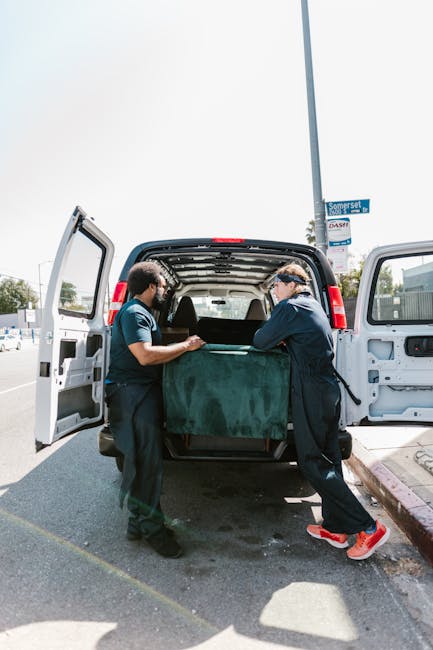
Options, Methods and Comparison Table
Here is a straightforward comparison to help you decide how to move between Bow Road and Mile End.
| Option | Best for | Strengths | Watch-outs |
|---|---|---|---|
| Man and van | Small flats, a few bulky items, student moves | Flexible, efficient, usually economical | Less suited to very large loads or complex disassembly |
| Removal van with labour | Medium household moves | Better loading capacity, more organised handling | May cost more than a minimal setup |
| Full removals service | Family homes, heavier furniture, busy schedules | Most support, less lifting stress for you | Usually the highest level of service and cost |
| Same-day removal | Urgent or last-minute changes | Speed and convenience | Availability may be limited and timing less predictable |
If you are deciding between approaches, the main question is not "which is best in theory?" It is "which fits my property, my timeframe, and my furniture?" A compact service can be ideal for one move and a complete waste of effort for another. The same goes the other way round.
Case Study or Real-World Example
Here is a typical local scenario. A young professional moves from a second-floor flat near Bow Road to a one-bedroom place closer to Mile End. The new home has a narrow hallway, a lift that needs booking, and limited parking near the entrance. The old place, meanwhile, has awkward internal stairs and a heavy sofa that barely fit on the original move-in day.
Instead of trying to do everything with a couple of friends and a borrowed van, the move is split into sensible stages. Boxes are packed a week ahead. Essentials are separated into one easy-to-reach bag. Large furniture is measured before move day. The removal team is briefed on access and the need to load the sofa first so it can come out last. Simple, but effective.
The result is not dramatic. And that is the point. The move happens without frantic calls, without damaged walls, and without the usual "where did we put the kettle?" panic. A short local journey, properly handled, can feel almost calm. Not magical. Just organised. Truth be told, organised is usually enough.
That same approach applies whether you are moving a studio, a family flat, or a small office setup. The scale changes, but the principles stay the same: plan access, pack smart, and keep the day structured.
Practical Checklist
Use this checklist in the days leading up to your E3 move.
- Confirm move date, arrival time, and any building access rules.
- Measure large furniture and note anything that needs dismantling.
- Check parking or stopping arrangements at both addresses.
- Book lift access if your building requires it.
- Pack essentials separately for the first 24 hours.
- Label boxes by room and priority.
- Protect fragile items with proper wrapping.
- Set aside screws, cables, and assembly instructions together.
- Keep valuables and key documents with you.
- Arrange storage if the timing between properties does not line up.
- Review service terms, payment details, and insurance cover.
- Clear hallways and routes before the team arrives.
A tiny bit of prep saves a lot of dragging and confusion later. And yes, the socks always vanish into a box you forgot about. It's practically a rule.
Conclusion
A Bow Road to Mile End move does not need to be complicated, even if the property access looks a little fiddly at first glance. The key is to treat it like a local logistics job rather than just a short drive. Plan parking, pack with purpose, choose the right moving support, and keep the essentials close. That alone removes most of the pressure.
If you are still comparing options, think about the shape of your move before you think about the price tag. The right service is the one that fits your property, your furniture, and your timeline. Done properly, an E3 move can feel efficient and surprisingly manageable. Really. It can.
Get a free quote today and see how much you can save.
And when the last box is in place, take a breath, put the kettle on, and enjoy that small but lovely feeling of being home.





.jpg)
.jpg)
.jpg)